
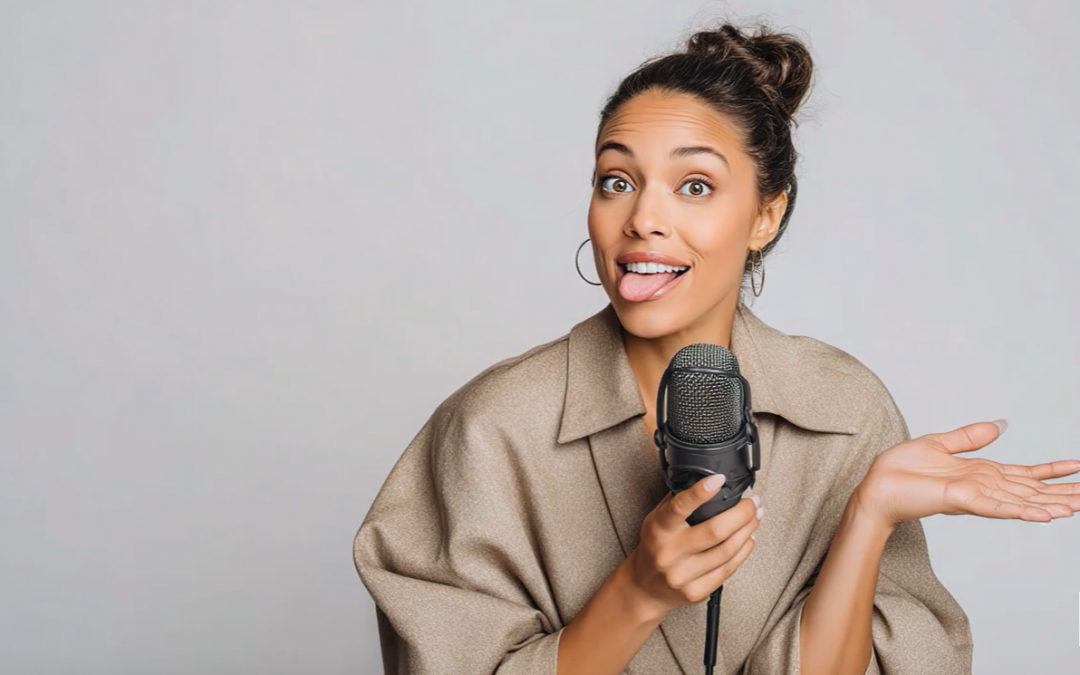
For content creators, TV and film producers, video producers, talent managers, instructional designers and everyone else that is considering hiring a voice actor, there’s always that one, all-important key element you should look for: Sincerity. This is the number 1 attribute that any voiceover artist should convey when inside that booth in front of the mic; whether they’re delivering a 15 second commercial spot, or a 100,000-word audio book project. The thing we have to remember is that voice actors are indeed, actors, and their acting skills are honed through much practice, training, and reflection, followed by more practice, training and reflection.
Let’s put aside a voice actor’s audio quality for a moment and focus on the talent aspect alone. If you haven’t considered hiring one, or think you need to, consider this: When you listen to those demos, ask yourself:
- Does this person sound believable or do they sound like they’re reading?
- Is the right emotion there? (This is where a voice actor’s skill in Script interpretation really comes into play)
- Do they sound confident?
- Are they focusing on just sounding good or are they relatable and real? (You differentiate this by hearing whether it sounds like a genuine delivery, or sound forced and artificial?)
I learned the hard way that it takes a lot of effort to sound sincere when you are in front of just a screen and a mic without a cast of people to interact with, or a physical setting. (I recall going back and listening to my earliest recordings – recoiling in horror!) This is why a good voice actor goes for training, takes acting, improv, or comedy classes, joins VO groups and learns the insider preferences through experienced voice actors in the industry. Look for these things on their resume. These skills enable voice actors to immerse themselves in the moment by focusing on their character, their setting, and their audience. They make it real for themselves first, and thus, sound real to you.
Voice actors have other skills in their toolbox to convey the desired emotion, mood etc. Among these are physicality. Using one’s body allows the person to project, change tone and pitch, convey energy, (or calm,) etc. They stand, they move their arms, and their facial expressions are genuine when delivering lines. I tend to “voice with my eyes” as even subtle changes in the widening of the eyes, the furrowing of the brow, the squint, all help in the conveyance of an emotion. You will know if someone is stone-faced, seated in front of their screen when you listen to their demo.
There are many things to listen for when considering a voice actor – too many to list here. The top one though is how believable and convincing this person comes across for your project. Sincerity – In one word, it sums up the very thing you are weighing your decision on after listening to a demo: “Hmm…Well, they not quite getting it”, or “Wow, she’s nailing that line,” etc. after assessing all the other factors. If you like them but still don’t quite hear what you’re looking for, make this part of your direction in the audition process. A good voice actor will easily take directions well and convey what you are looking for.